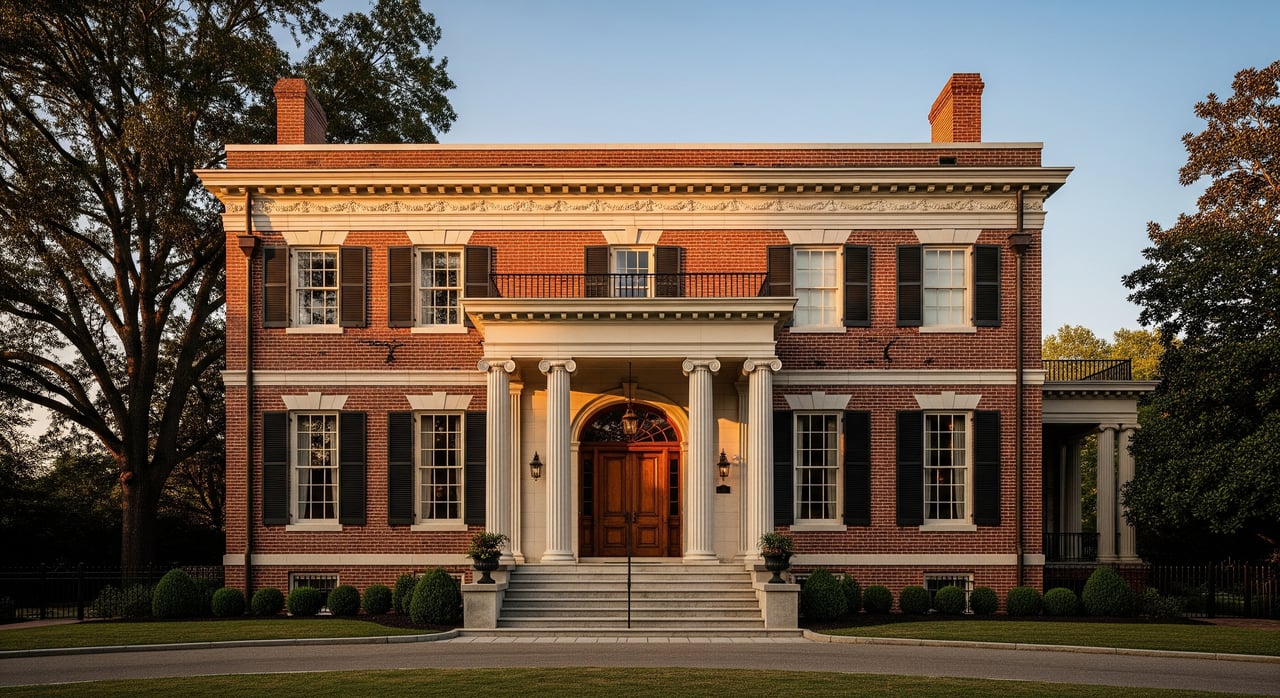
Thinking about pricing your Richland and Whitland home but not sure how to account for historic character and renovations? You are not alone. This micro-market rewards authenticity and smart updates, yet it can be tough to find truly comparable sales. In this guide, you will learn how buyers and appraisers evaluate historic homes, which features move the needle, and the steps to price with confidence. Let’s dive in.
What drives value here
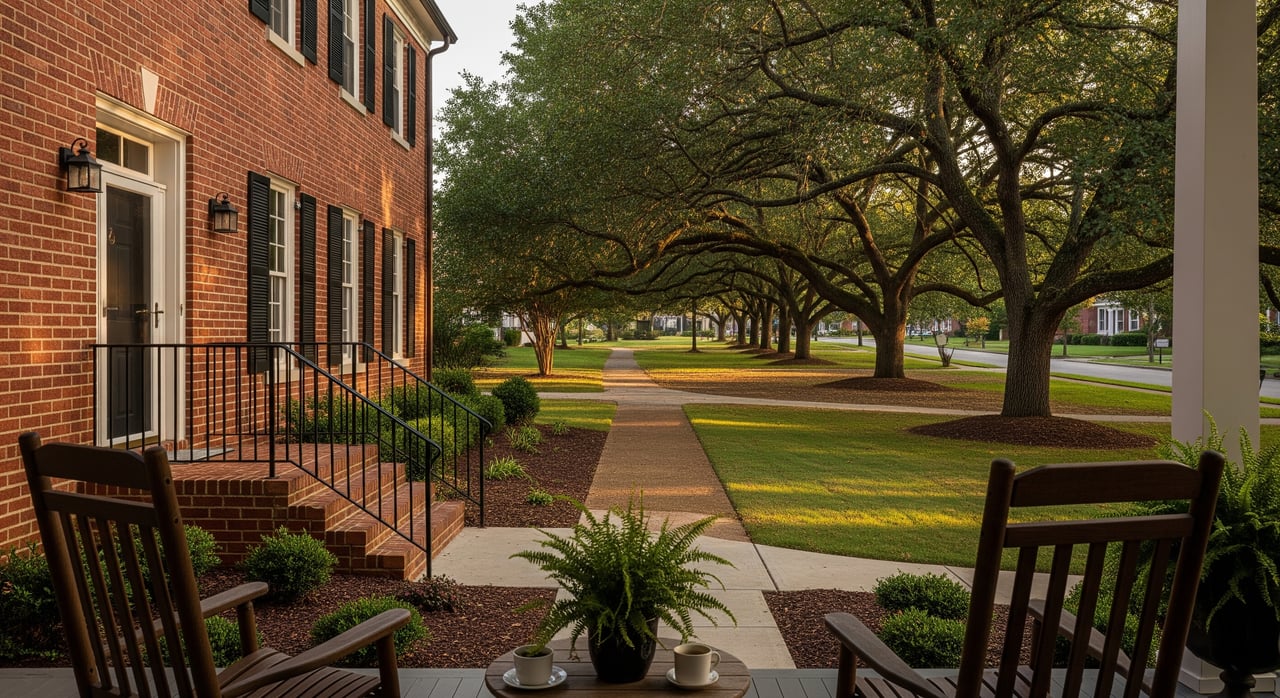
Richland–West End’s housing stock ranges from early 1900s bungalows to Colonial Revival, Tudor, and early Craftsman homes. Buyers come expecting architectural charm and period details, so style and era matter when you compare properties. Smaller urban lots, mature trees, and walkable access to parks and nearby corridors also play into demand.
Proximity to major employers, universities, parks, transit corridors, and downtown tends to widen your buyer pool. That said, distance and access vary by address. Measure walk, bike, and drive times for your specific home instead of assuming uniform value across the neighborhood.
Turnover is often low in historic districts, which means fewer direct comps and sometimes wider time windows for comparable sales. Expect to lean on very local sales and to separate renovated listings from more original examples.
How historic status affects price
Local historic overlays and the Metro Nashville Historic Zoning Commission review process can influence what exterior changes are allowed. National Register listing may add prestige, but it usually does not restrict private changes unless there are separate easements or covenants. Always confirm whether any preservation easements or deed restrictions apply to your property.
Historic designation can create a premium among buyers who value stability and authenticity. It can also narrow the buyer pool for those who want major exterior changes. The net effect on price depends on the house, the rules in place, and the quality of prior work.
Use the right comps
Keep comps hyperlocal
Stay within Richland–West End or the immediate adjacent blocks when possible. This area has price gradients by block, so the best comps are often within 0.25 to 0.5 mile.
Time window and market movement
Use sales from the past 6 to 12 months when available. If inventory is sparse, extend to 12 to 24 months and account for market movement when you compare.
Match era, style, and lot type
Prioritize comparable homes from a similar era and architectural style on a similar lot type. Corner vs interior lots, setbacks, and parking all matter. When a direct style match is not available, pick the closest era and adjust carefully for character and quality.
Separate renovated vs original
A period-correct restoration competes with a different buyer set than an unrestored, original example. Build comp sets that align with your home’s condition and level of modernization.
Weighing character features
Features that add appeal
- Original hardwood floors and millwork in good condition
- Fireplaces and mantels, built-ins, divided-light or leaded windows, period hardware
- Historic exterior elements like full-width porches and intact rooflines
- Documented, period-correct restoration with photos, receipts, and plans
Features that may deter buyers
- Deferred maintenance such as roof, foundation, or water intrusion issues
- Inefficient or unsafe systems like old knob-and-tube wiring or failing HVAC
- Inappropriate modernizations that remove or cover original character
- Additions without permits or that reduce historic integrity
How appraisers treat character
Appraisers typically adjust first for size, baths, lot, and location. Then they evaluate quality and condition, where historic character often lives. High-quality, period-correct restoration can show positive contributory value when local sales support it. If a feature is costly to maintain or impacts function, it may require a downward adjustment.
Renovation premiums: set expectations
There is no fixed percentage for renovation payback in historic homes. A sensitive restoration that respects original details tends to recoup more when buyers prioritize authenticity. Generic renovations can broaden appeal, but they may reduce interest among preservation-minded buyers.
Smaller, appropriate updates like refinishing original floors or modernizing mechanicals often see strong recovery because they remove uncertainty. High-cost, visible restorations may increase value relative to non-restored comps but should be evaluated using very local sales or paired sales. Keep records and documentation to support your price.
Pricing steps for sellers
- Confirm historic status and limits
- Check for local historic overlays, National Register listing, and any preservation easements or deed covenants. Document what changes are allowed.
- Gather your documents
- Deed and chain of title
- Building permits and renovation receipts with dates and scope
- Historic designation paperwork
- Photos of original features and before-and-after work
- Inspection reports and any lead, asbestos, or roof/HVAC reports
- Floor plans, measured gross living area, and drawings
- Get pre-listing inspections
- General home inspection focused on structure, roof, and systems
- If needed, a preservation consultant to document character and guide allowed changes
- Specialists for older construction elements like masonry or historic windows
- Written estimates for deferred maintenance so buyers and appraisers can price risk
- Map your buyer segments
- Identify whether your likely buyer values authenticity, turnkey convenience, or both. This guides repair decisions and pricing strategy.
- Build the comp set
- Pull hyperlocal sales from the last 6 to 12 months. If necessary, extend the window to 12 to 24 months and note market shifts.
- Separate renovated vs original comps and match era and lot type.
- Use paired sales when possible to isolate value for features like original millwork.
- Decide on pre-market fixes
- Address safety and systems first. Correct obvious deferred maintenance that will shrink your buyer pool or trigger lender concerns.
- Focus cosmetic dollars on period-appropriate improvements with clear documentation.
- Package the story
- Prepare high-quality photos featuring key character elements.
- Provide a floor plan and a one-page list of significant restoration work with dates and contractors.
- Be transparent about systems, maintenance, and any historic review requirements.
Appraisal methods to expect
The Sales Comparison Approach is primary for historic single-family homes. It relies on recent local sales and thoughtful adjustments for size, baths, lot, condition, and character.
The Cost Approach can help when comps are limited or the architecture is unique. Replacement cost less depreciation may not fully capture market preference for historic elements, so it is a secondary check.
The Income Approach is rare for owner-occupied homes and is typically used only when the property is an income-producing asset.
Work with the right team
You benefit from a real estate agent with proven Richland–West End experience and a network of inspectors and contractors who understand older homes. An appraiser familiar with early 20th-century construction can better quantify adjustments. A preservation consultant or architect can document character features and clarify permitted changes.
If you want a pricing strategy tailored to your home, a second opinion on comps, or help coordinating pre-listing work, reach out. With local expertise and a hands-on vendor network, Ravi Sachan can guide you from valuation through a confident launch.
FAQs
How do I confirm if my Richland–Whitland home is in a historic overlay?
- Check Metro Nashville’s historic zoning resources and Davidson County property records for overlay status, plus any recorded easements or covenants.
What time frame should I use for comps in Richland–West End?
- Start with sales from the past 6 to 12 months; if activity is sparse, extend to 12 to 24 months and note market movement.
Do original windows and millwork add value in this area?
- Yes, when local sales show buyer preference, appraisers reflect that as quality or condition adjustments, especially with good documentation.
Should I renovate before listing my historic home?
- Prioritize safety and systems and fix deferred maintenance; choose period-appropriate updates with documentation rather than broad, generic remodels.
How will an addition or past remodel impact my appraisal?
- Permitted, conforming additions usually contribute positively; unpermitted or character-reducing changes can limit value and buyer pool.
Is the Cost Approach relevant for my historic property?
- It can inform value when comps are limited, but it may understate market premium for historic character, so it is typically a secondary method.