If you have been trying to make sense of Belmont and 12 South real estate, you are not alone. This part of Nashville can feel like several markets layered into one, with campus-adjacent rentals, older homes on established residential streets, and newer high-end construction all sitting close together. When you understand how those patterns fit, it gets much easier to decide where to buy, sell, or invest. Let’s dive in.
How Belmont and 12 South Fit Together
Belmont and 12 South are best understood as an overlapping corridor, not one neatly boxed-in neighborhood. The 12 South area generally runs between Wedgewood Avenue and Gale Lane, while the 12th Avenue South corridor connects several nearby residential areas with a mixed-use strip of shops, restaurants, and housing.
Belmont University sits just west of that corridor near 16th Avenue South and Wedgewood Avenue. That placement gives the area a distinct campus-adjacent feel, where residential blocks, local businesses, and student activity all influence the housing mix.
In simple terms, when people talk about Belmont and 12 South housing, they are usually describing a blend of nearby residential streets plus the more active 12th Avenue South corridor. That blend is what gives the area its strong identity and price premium.
The Three Main Housing Patterns
The clearest way to understand this market is to see it as three housing layers. Each one serves a different kind of buyer or renter, and each behaves a little differently.
Student-Oriented Rental Demand
Belmont University enrolled 8,932 students in 2025, including 7,184 undergraduates. Because full-time undergraduates with fewer than 60 credit hours are generally required to live on campus unless they qualify for an exemption, the off-campus renter pool tends to be made up of upperclassmen, transfer students, graduate students, and exempt undergraduates.
Belmont also directs students to off-campus housing resources, which helps support steady rental demand near campus. While there is no published neighborhood-wide tenant breakdown in the research, the university’s housing rules and resources point to a clear off-campus demand base in the surrounding area.
The nearby rental stock often fits shared living patterns. Belmont’s own housing includes townhouse and multi-bedroom layouts, which helps explain why off-campus rentals in the area often work well as shared 2- to 4-bedroom houses, townhomes, and apartments.
Older Residential Homes
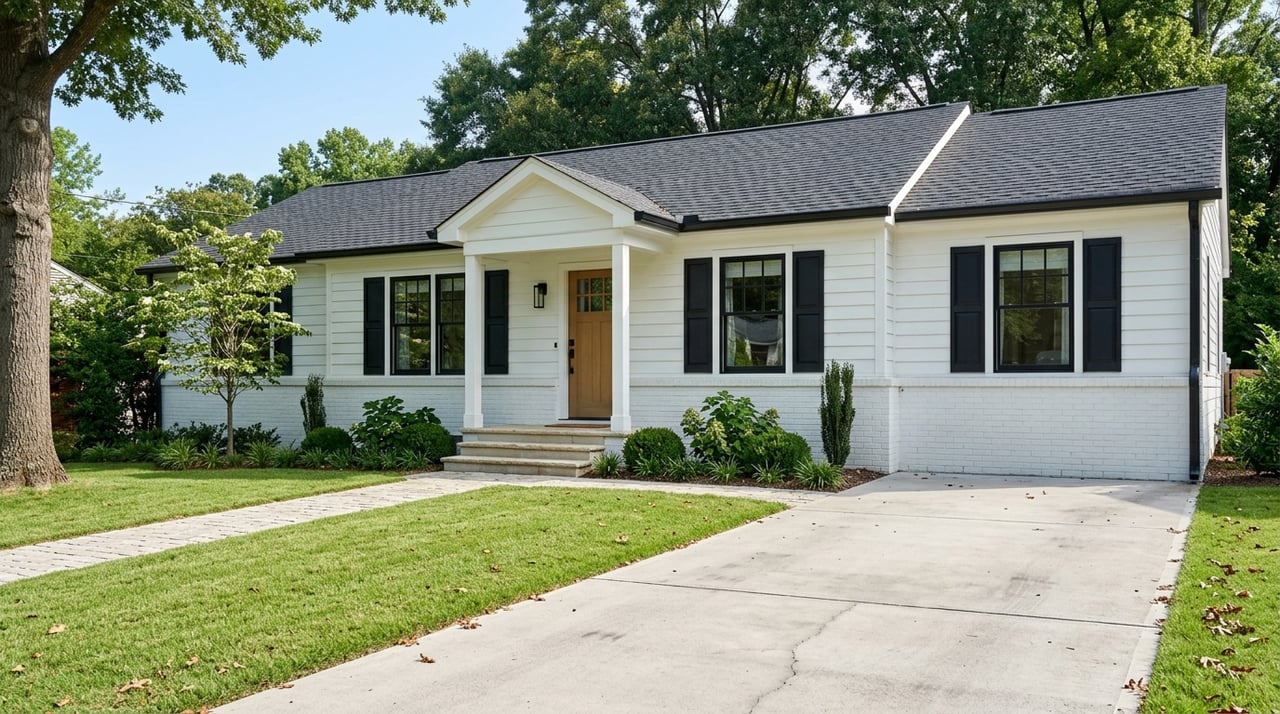
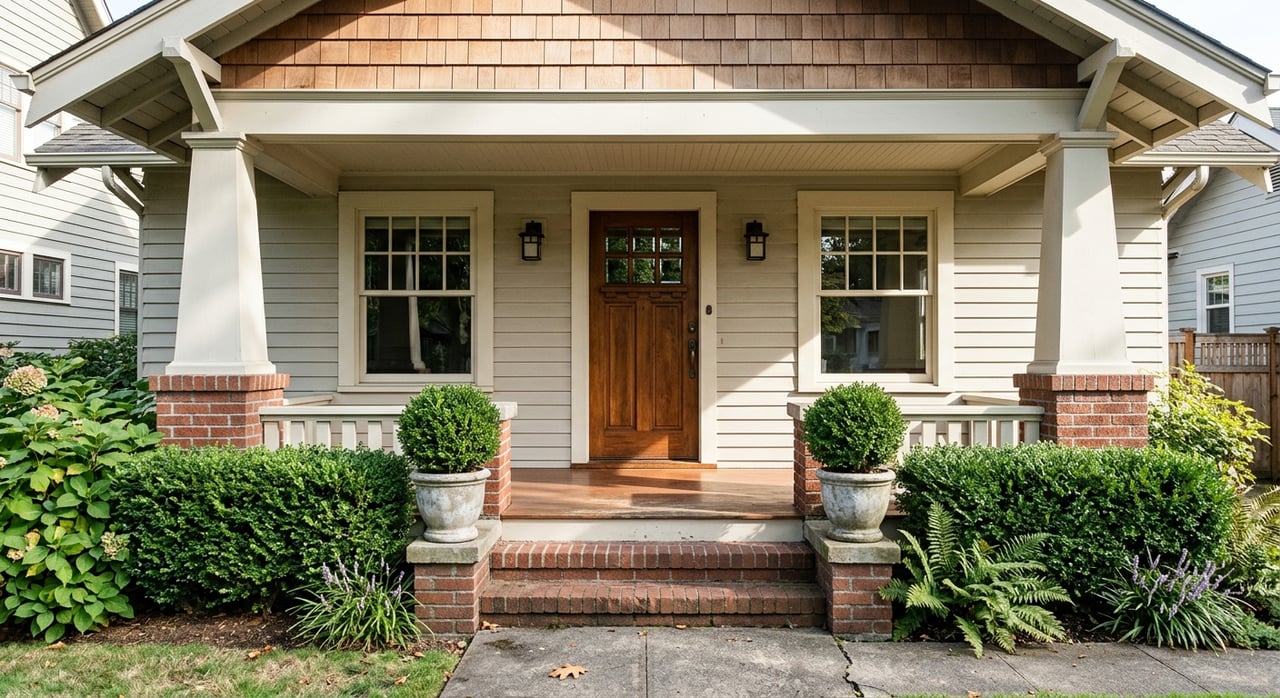
Another major layer is the legacy housing stock. Historic planning documents describe the broader Waverly-Belmont area as a neighborhood of modest bungalows, cottages, front porches, Folk Victorian homes, and other vintage housing types.
That older fabric still shapes how the area feels today. Metro design guidance for Belmont-Hillsboro emphasizes preserving smaller homes and keeping additions secondary to the original structure, which helps explain why much of the housing remains low-rise and renovation-driven instead of dominated by large towers or broad-scale redevelopment.
For buyers, this means you will often find homes with established architectural character on interior residential streets. For sellers, it means the original housing stock remains an important part of the area’s appeal.
High-End Infill and New Construction
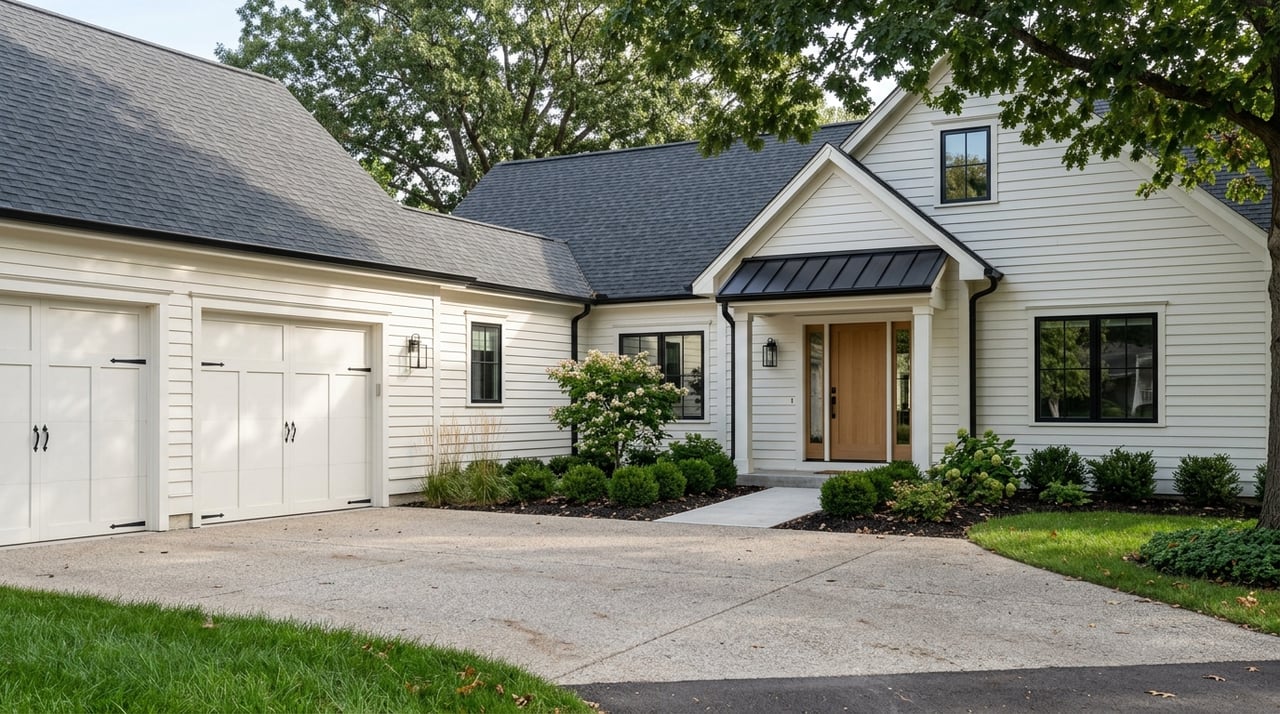
The third housing layer is newer, higher-end infill. Active listings in the area show many upper-tier homes clustering around 4-bedroom layouts with roughly 2,800 to 4,050 square feet and prices from about $1.395 million to $3.4 million.
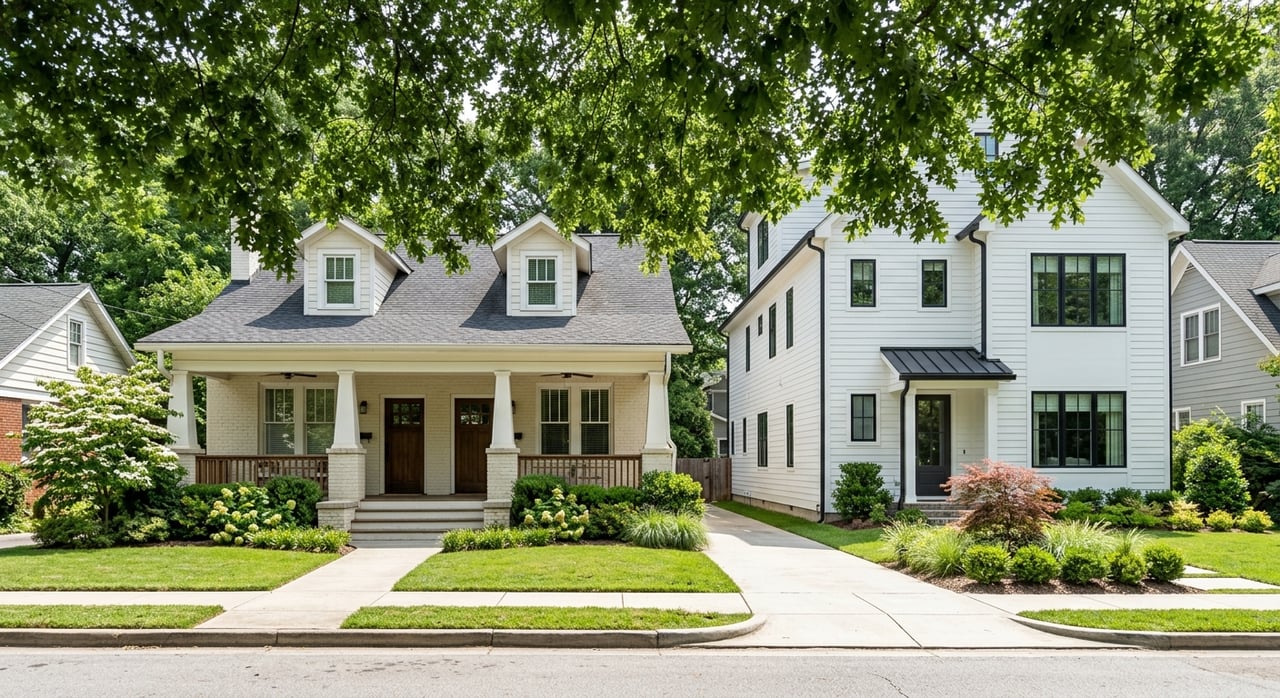
These homes reflect the premium attached to 12 South and nearby blocks. Infill construction and newer townhomes appeal to buyers who want modern finishes, larger floor plans, and close access to the corridor’s shops and restaurants without giving up a central Nashville location.
This layer is especially important if you are comparing teardown, renovation, and resale potential. In Belmont and 12 South, value can vary sharply depending on whether a property is an older home, a condo, or a newer luxury build.
What Prices Tell You
Spring 2026 market snapshots place 12 South at about a $1.18 million median sale price, a $1.45 million median listing price, and a median rent near $4,900 per month. Available market snapshots also showed 37 homes for sale and 14 rentals.
That tells you two things right away. First, 12 South is an expensive Nashville neighborhood. Second, it is not currently behaving like the most overheated version of a seller’s market.
Market data from the research suggests homes are generally taking around two to three months to sell, depending on the source and time frame. The sources do not match exactly on days on market, but they point to the same broader conclusion: pricing remains high, yet the pace is more balanced than frantic.
For buyers, that can mean a little more room to evaluate options carefully. For sellers, it highlights the importance of pricing and presentation instead of assuming the market will do all the work for you.
Entry Points in the Area
Not every home in Belmont and 12 South sits in the luxury tier. There are also smaller ownership opportunities, especially condos.
Research snapshots show 1-bedroom condos for sale around $289,000 to $319,900 at 1900 12th Ave S. One-bedroom rentals in the area were also listed around $1,745 to $1,950 for about 699 square feet.
There is also a middle tier between small condos and larger luxury homes. For example, a 2-bedroom, 2-bath condo at 700 12th Ave S Unit 806 was cited at about 1,620 square feet with an estimated value near $916,800.
This range matters because it shows how wide the pricing spread can be in a relatively compact area. You are not looking at one single buyer profile here. You are looking at a market that serves first-time condo buyers, move-up buyers, luxury buyers, and investors evaluating rental use.
Why 12 South Commands a Premium
One useful comparison is nearby Belmont-Hillsboro. In the research, Belmont-Hillsboro showed about a $1.05 million median listing price and $2,750 median rent, both below 12 South’s $1.45 million median listing price and $4,900 median rent.
That gap helps explain how the market views 12 South and its immediate surroundings. The closer you are to the 12th Avenue South strip and its campus-adjacent, walkable environment, the more likely you are to see a pricing premium.
For buyers, this means block-by-block positioning matters. For sellers, it means your location relative to the corridor can have a meaningful effect on pricing strategy and buyer interest.
Which Streets Feel Busier
Not every part of Belmont and 12 South lives the same day to day. Metro planning documents identify 12th Avenue South as a corridor with distinct traffic patterns, and Belmont Boulevard is described as a major connection route for surrounding university areas.
In practical terms, the busier edges usually include 12th Avenue South, Belmont Boulevard, South Street, and connectors near Wedgewood Avenue. These are the spots where commuter traffic, retail activity, and corridor movement are more noticeable.
The quieter feel is usually found on interior residential streets tucked behind the commercial strip and farther from the main campus and corridor edges. That does not mean every block is identical, but it does give you a helpful street hierarchy when narrowing your search.
What This Means for Buyers
If you are buying in Belmont or 12 South, the first step is knowing which layer of the market best fits your goals. A condo near the corridor, a renovated bungalow on a residential street, and a newer 4-bedroom infill home may all sit close together, but they serve very different needs.
Ask yourself a few practical questions:
- Do you want to be closest to the 12th Avenue South strip?
- Do you prefer a quieter interior street?
- Are you looking for historic character or newer construction?
- Are you buying for personal use, long-term hold, or rental analysis?
- How important is layout flexibility versus walkable location?
When you approach the area this way, the market starts to feel much more readable. Instead of searching by neighborhood name alone, you can search by housing pattern, price tier, and street position.
What This Means for Sellers and Investors
For sellers, Belmont and 12 South reward careful positioning. A home’s value is influenced not just by size and finish level, but also by whether buyers see it as legacy housing, premium infill, or a condo alternative near the corridor.
For investors, the area’s campus-adjacent demand and varied housing types make analysis especially important. Shared rentals, condos, and larger homes each have different use cases, and the numbers should be evaluated in the context of exact location, bedroom count, and likely renter profile.
This is where hands-on local knowledge matters. In a layered market like Belmont and 12 South, the smartest decisions usually come from understanding how product type, block location, and buyer or renter demand work together.
If you are weighing a move, sale, or investment in this part of Nashville, Ravi Sachan can help you sort through the details with practical local insight and a clear plan.
FAQs
What defines the Belmont and 12 South area in Nashville?
- Belmont and 12 South are best viewed as an overlapping corridor that includes the 12th Avenue South mixed-use district and nearby residential streets close to Belmont University.
What housing types are common in Belmont and 12 South?
- The area generally includes three main patterns: student-oriented rentals near campus, older cottages and bungalows in the historic residential fabric, and higher-end infill or new construction.
What is the current price range for 12 South homes?
- Research snapshots show small condos around $289,000 to $319,900, while upper-tier homes commonly range from about $1.395 million to $3.4 million.
What is the rental demand like near Belmont University?
- Off-campus demand is most likely concentrated among upperclassmen, transfer students, graduate students, and exempt undergraduates based on Belmont’s housing rules and off-campus resource system.
Which streets in 12 South tend to feel busiest?
- The busier routes typically include 12th Avenue South, Belmont Boulevard, South Street, and connector streets near Wedgewood Avenue, while quieter conditions are usually found on interior residential streets.
How does 12 South compare with Belmont-Hillsboro on price?
- In the research, 12 South had higher median listing prices and median rents than Belmont-Hillsboro, which suggests the corridor and its immediate surroundings usually command a premium.