Selling a historic home in Richland-West End or Whitland is not the same as listing a typical property in Nashville. You are not just preparing square footage and finishes for the market. You are also presenting architectural character, preservation details, and a home that sits within one of Nashville’s established neighborhood conservation overlays. If you want to protect value and avoid preventable delays, it helps to know what buyers notice, what Metro reviews, and what repairs deserve attention before you list. Let’s dive in.
Why historic homes sell differently
Richland-West End and Whitland fall within Nashville’s neighborhood conservation overlay framework. That means exterior work may be subject to district-specific design guidelines reviewed by Metro’s Historic Zoning Commission.
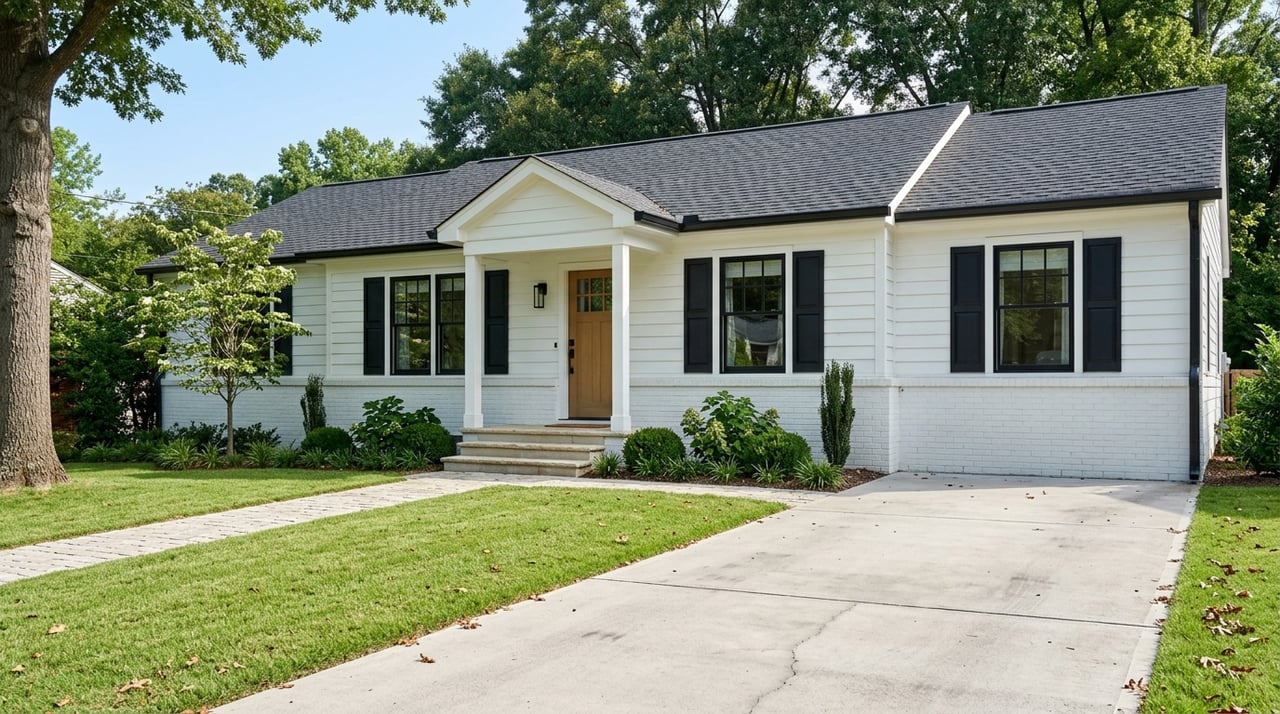
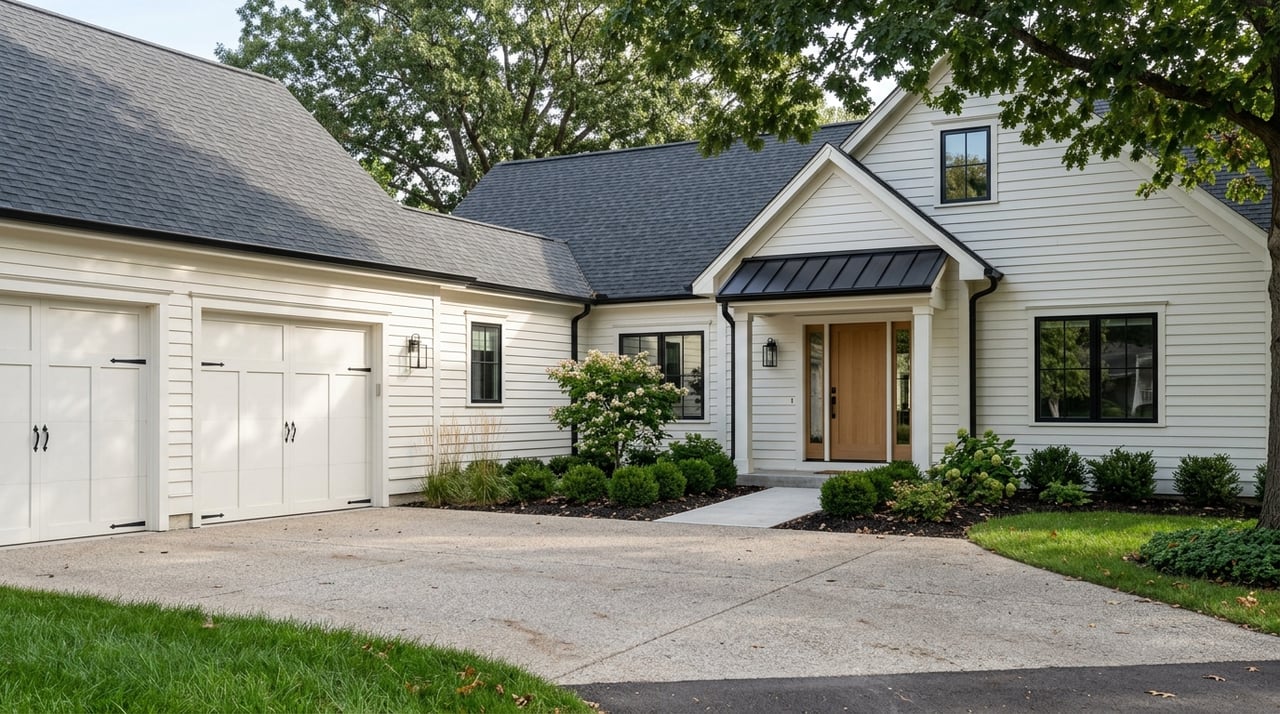
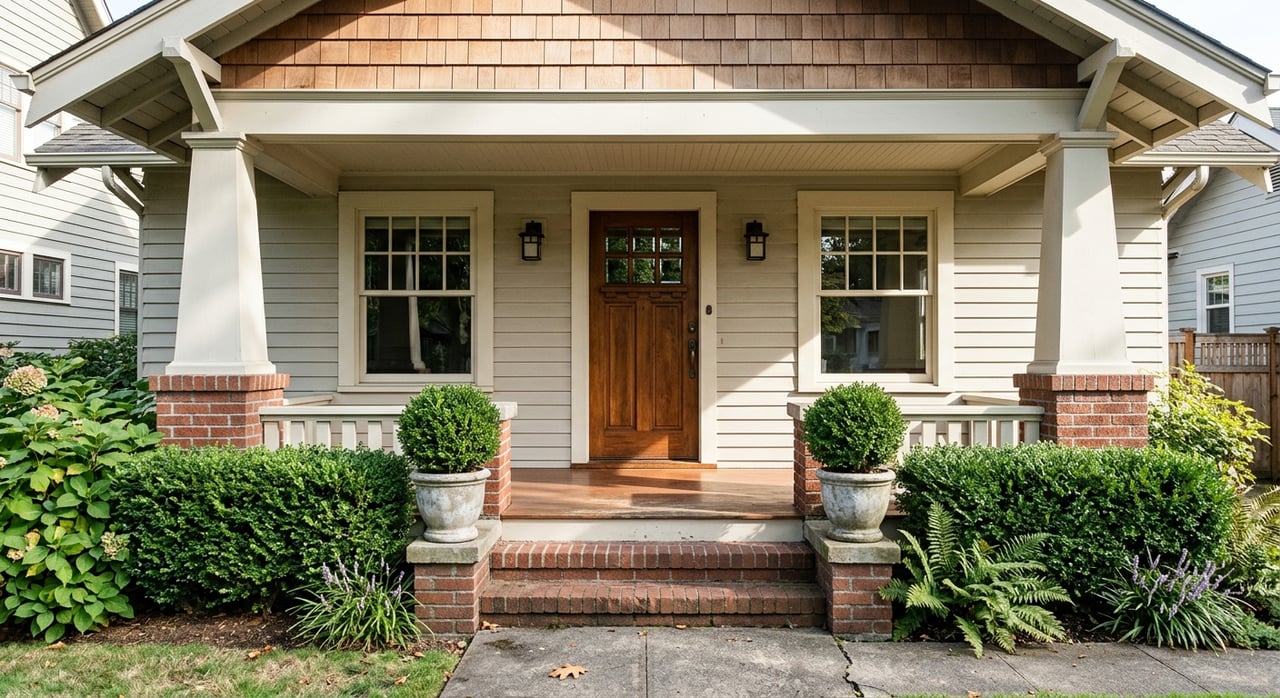
In practical terms, buyers are often reacting to more than paint colors and kitchen updates. They are also responding to the features that make these homes feel authentic, like porches, rooflines, window proportions, masonry, and the overall streetscape.
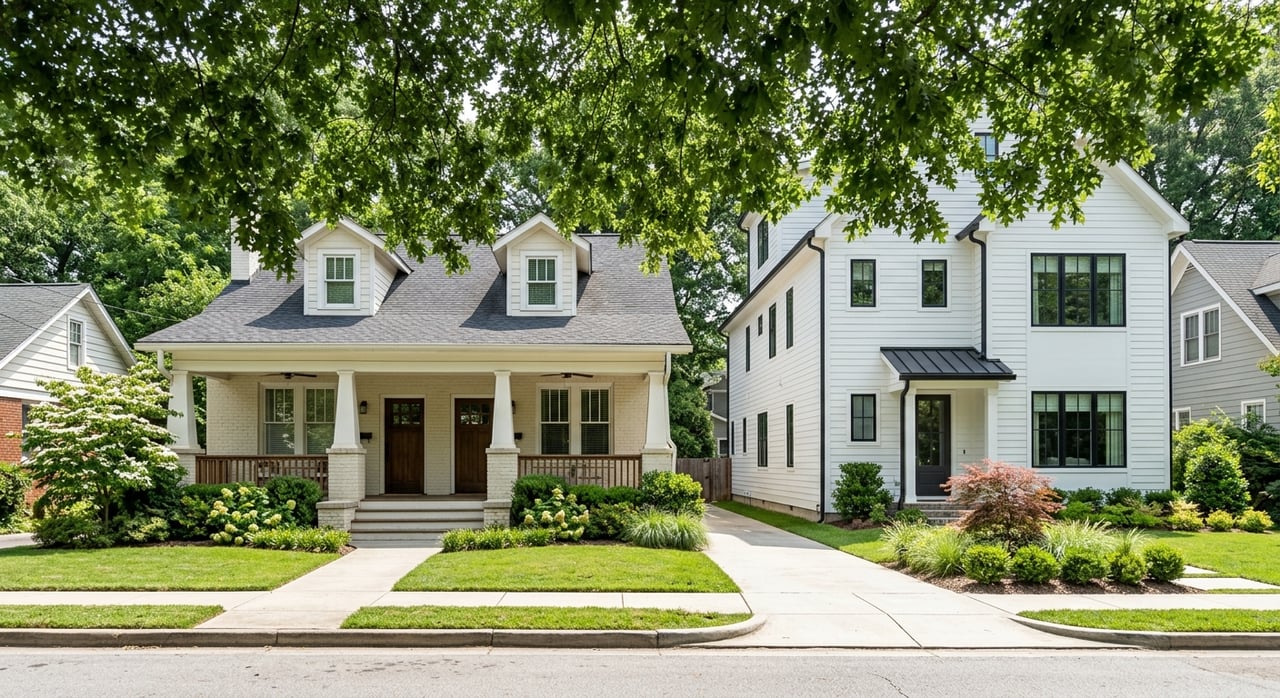
Richland-West End is recognized by Metro as a remarkably intact early twentieth-century neighborhood. Its historic housing stock includes Colonial Revival, American Foursquare, Craftsman, Bungalow, and Tudor Revival homes.
Whitland’s period of significance runs from 1900 to 1960. Tudor Revival is especially common there, with Colonial Revival and Craftsman styles also present, and brick and stone serving as dominant exterior materials.
Start with overlay rules
Before you schedule exterior improvements, confirm what work may need review. In Nashville’s NCZO districts, work that cannot be seen from the public right-of-way is generally not reviewed, but alleys are not treated as a safe exemption.
That detail matters for sellers who plan rear-yard changes or late-stage touch-ups before listing. Even if a project seems minor, a quick staff check can help you avoid timing problems.
Metro also encourages pre-application review for large or unusual requests, infill, and additions over 1,500 square feet. If your application is complete and pre-approved, Metro says permits are generally issued within four days.
Windows, doors, and roofing are common final-review items. If any of those are on your prep list, it makes sense to build permit timing into your sale plan early.
Highlight original character
Historic homes usually show best when you lean into what makes them special. Nashville’s guidelines emphasize retaining historic character, avoiding conjectural features, and repairing character-defining elements rather than replacing them when possible.
For sellers, that often means the best return comes from presenting original materials and proportions clearly. A well-kept porch, intact masonry, strong roof shape, and properly maintained windows can matter more than an overly trendy cosmetic update.
Preservation-minded staging is often the safer strategy in these neighborhoods. Instead of trying to make everything feel brand new, focus on showcasing original woodwork, fireplaces, staircases, porches, and historic window patterns while keeping updates simple and compatible.
Whitland’s guidance gives a useful example for Colonial Revival homes. One- and two-story side porches may be appropriate, and front porticos may also be appropriate when they fit the home’s original character.
Repair before replacing
One of the biggest mistakes sellers can make with an older home is replacing historic features too quickly. That is especially true with windows.
Historic windows often come up during inspections, but they are not automatically a replacement item. National Park Service guidance says deteriorated historic windows should be repaired rather than replaced when possible, and Nashville’s guidance notes that historic wood windows can be efficient and long-lasting when maintained well.
The same principle applies across many exterior details. If you can repair a character-defining feature instead of removing it, you may preserve both the home’s historic integrity and its appeal to buyers who specifically want a home in Richland-West End or Whitland.
Address moisture issues early
If you do only one serious pre-listing check on an older home, moisture should be near the top of the list. It is one of the most important inspection categories in older houses.
According to the National Park Service, major moisture sources include faulty roofs, open joints around windows and doors, below-grade ground moisture, leaking plumbing, and mechanical systems. In older homes, gutters, downspouts, drainage, and foundation-level water management deserve extra attention.
For sellers, this is more than a maintenance issue. Moisture problems can affect inspection findings, buyer confidence, and repair negotiations.
A practical pre-listing plan may include:
- Checking roof condition and flashing
- Clearing and securing gutters and downspouts
- Improving drainage away from the foundation
- Reviewing caulking and joints around windows and doors
- Looking for plumbing leaks or signs of repeated water intrusion
- Noting basement or crawlspace moisture concerns
Prepare for older-home disclosures
If your home was built before 1978, lead-based paint disclosure is part of the sale process. Federal law requires sellers and agents to disclose known lead-based paint or lead-hazard information before a buyer signs a contract and to provide the required EPA pamphlet.
This does not mean every pre-1978 home has a major lead issue. It does mean you should be organized, honest, and prepared with any records you have.
Lead-based paint is common in older housing. EPA says 87% of homes built before 1940 and 24% of homes built between 1960 and 1978 contain some lead-based paint.
Higher-risk areas often include windows, doors, stairs, railings, and porches, especially where painted surfaces rub or show deterioration. If repairs will disturb lead paint, EPA recommends lead-safe certified work practices.
Asbestos can also be a concern when older finishes or insulation are disturbed. EPA notes that asbestos generally cannot be identified by sight alone, and if suspect material is damaged or will be disturbed during remodeling, repair or removal should be handled by a trained and accredited professional.
Use pricing that fits the overlay
One of the clearest pricing mistakes in historic neighborhoods is relying too heavily on broad county averages. Richland-West End and Whitland do not trade like the average Davidson County market.
As of March 31, 2026, Zillow home-value estimates were about $1.38 million for Richland and $1.05 million for Whitland. In the same general period, Davidson County’s March 2026 median sale price was $470,000.
That gap is a strong reminder that pricing should be based on recent comparable sales within the same overlay whenever possible. Architecture, lot context, exterior condition, and preservation compatibility can all shape value in ways countywide numbers miss.
Inventory also appeared limited in Zillow snapshots, with 4 Richland listings and 13 Whitland listings. In a lower-inventory environment, getting the pricing strategy right from the start becomes even more important.
Time photos and showings well
Historic homes often make their strongest first impression from the street. In Richland-West End especially, Metro’s historic context notes that porches and shade trees contribute to neighborhood identity.
That makes presentation important. Strong landscaping, a tidy approach to the front entry, and bright daytime photography can help buyers appreciate the home’s setting and exterior character.
Inside, keep the focus on scale, light, and original details. Buyers looking in these neighborhoods are often drawn to craftsmanship and proportion, so your staging should support those features instead of competing with them.
A smart selling plan matters
Selling a historic home takes a little more coordination than selling a newer property. You may need to think through preservation review, timing for exterior work, older-home disclosures, and inspection-sensitive repairs before your home hits the market.
That extra planning can pay off. When you present the home’s original character clearly, address issues like moisture early, and price against the right neighborhood comps, you put yourself in a much stronger position.
In Richland-West End and Whitland, buyers are often looking for authenticity as much as updates. The goal is not to erase age. It is to show that your home has been cared for, understood, and prepared thoughtfully for its next chapter.
If you are thinking about selling a historic home in Richland-West End or Whitland, Ravi Sachan can help you build a smart plan around pricing, preparation, vendor coordination, and neighborhood-specific marketing.
FAQs
What makes selling a historic home in Richland-West End different?
- Homes in Richland-West End may be subject to Nashville neighborhood conservation overlay guidelines, so exterior changes, character-defining features, and preservation-sensitive prep can all affect your sale strategy.
What should sellers in Whitland fix before listing a historic home?
- Focus first on moisture-related issues, roof and drainage concerns, deteriorated exterior elements, and any visible problems with windows, doors, porches, or masonry that could affect buyer confidence or inspections.
Do exterior updates in Whitland or Richland-West End need Metro review?
- Some exterior work may require review under Nashville’s overlay guidelines, and rear-yard work should not be assumed exempt just because it is not visible from the street since alleys do not count as a safe exemption.
Should you replace old windows before selling a historic Nashville home?
- Not necessarily. Historic windows are often better repaired than replaced when possible, and well-maintained wood windows can remain durable and efficient.
How should you price a historic home in Richland-West End or Whitland?
- Use recent comparable sales from the same overlay area whenever possible rather than relying mainly on Davidson County averages, since these neighborhoods can perform very differently from the broader market.
What disclosures matter when selling an older home in Nashville?
- If the home was built before 1978, you must disclose known lead-based paint or lead-hazard information before contract signing and provide the required EPA pamphlet.