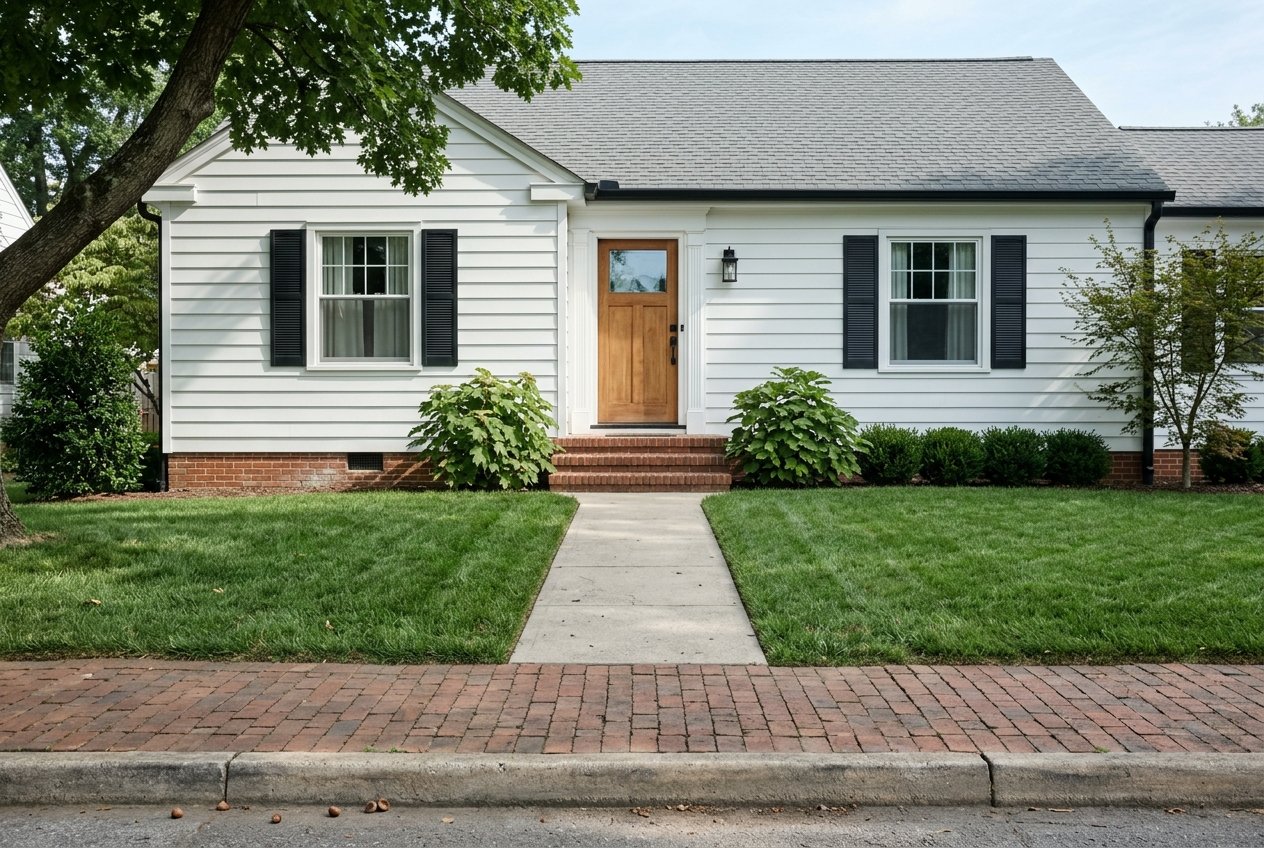
Trying to choose between Franklin’s historic streets and its newer master-planned communities? You are not alone. Many buyers love Franklin for the same reason this decision feels tough: the city offers both deep architectural character and carefully planned modern convenience. If you are weighing charm, walkability, commute patterns, lot layouts, and day-to-day lifestyle, this guide will help you compare the tradeoffs with more clarity. Let’s dive in.
Franklin Offers Two Distinct Lifestyles
Franklin has made both preservation and growth part of its long-term approach. That matters because the choice between older neighborhoods and newer communities is not just about home age. It is also about how the city has evolved, how streets were laid out, and what kind of daily routine fits you best.
The city’s estimated population reached 90,226 in July 2025, and the median value of owner-occupied homes was $705,400 in the 2020-2024 American Community Survey. Citywide, the mean travel time to work was 23.9 minutes. Those numbers give useful context if you are comparing central walkability with more highway-oriented living.
What Defines Franklin’s Historic Streets?
When buyers picture historic Franklin, they often think of the Square first. But the historic core extends beyond that well-known center. Downtown Franklin is a 15-block historic district made up of some of the city’s oldest residential and commercial buildings, and Franklin also has five National Register historic districts plus seven locally designated historic districts.
That broader historic fabric is what gives older Franklin neighborhoods their appeal. Many homes and streets reflect 19th- and early-20th-century development patterns, not a single modern subdivision plan. As a result, the experience can feel more layered, more varied, and more connected to the city’s history.
Historic Homes Have More Variety
Franklin’s design guidelines describe historic homes in styles such as Federal, Greek Revival, Italianate, and Victorian. On nearby streets like Adams Street, you also see Folk Victorian, Queen Anne, and Bungalow-era examples. In Hincheyville, which is Franklin’s first residential neighborhood, the range runs from Federal to Craftsman-era homes.
If you are drawn to older homes, this variety is usually a major part of the appeal. You may find more one-of-a-kind exteriors, more distinctive porches, and a streetscape that feels less uniform than a newer subdivision. That uniqueness can be hard to replicate in newer construction.
Historic Streets Have Different Lot Patterns
Older Franklin neighborhoods were not built to modern subdivision standards. City guidelines note varied yard depths, sidewalks, porches, side-yard driveways, detached accessory structures, and a pattern shaped over time rather than all at once.
For you, that can mean irregular lot shapes, different setbacks from one home to the next, and more visible variation along the same block. Some buyers love that organic feel. Others prefer the predictability of newer communities where lot widths and floor plans are more standardized.
Historic Living Means Closer Access Downtown
One of the strongest advantages of Franklin’s historic core is proximity to downtown activity. The city highlights the area’s shops, restaurants, galleries, and annual events such as Main Street Festival, Fourth of July celebrations, PumpkinFest, the Veterans Day Parade, and Dickens of a Christmas.
If you want a lifestyle shaped by Main Street, this location can be hard to beat. The compact 15-block district, sidewalks, and concentration of destinations often support shorter non-car trips. In practical terms, you may trade some parking ease or yard size for stronger walkability and easier access to the center of Franklin life.
Historic District Rules Matter
Historic ownership in Franklin can also come with more oversight. The city’s preservation program uses adopted design guidelines, and some exterior work may require a Certificate of Appropriateness before changes begin.
That is not automatically a negative, but it is important. If you want flexibility for visible renovations, additions, or exterior alterations, you should understand that review process early. Buyers who appreciate preservation often see this as part of what protects the character they value in the first place.
What Defines Newer Franklin Communities?
Newer Franklin communities are often designed around amenities, multiple housing types, and planned access to major roads. Instead of evolving block by block over many decades, they are usually built with a clearer overall concept from the start.
That difference shapes everything from lot width to traffic flow to how you spend your weekends. If you want a home where the neighborhood structure feels more intentional and predictable, newer communities may be a better fit.
Westhaven Prioritizes Amenities and Village Feel
Westhaven is one of the clearest examples of Franklin’s newer community model. Its published amenities include a private 18-hole golf course, fitness center, art center, playgrounds, pools, 9 miles of trails, 20 community parks, and a Village Center with restaurants and services.
That setup creates a very different feel from Franklin’s historic street pattern. Many homes and townhomes are within walking distance of the Village Center, giving the neighborhood a more self-contained environment. If you want amenities built into your daily routine, this kind of plan can be especially attractive.
Newer Communities Often Offer More Housing Types
Westhaven also shows how lot sizes can be structured more formally. Its homesites range from townhome lots about 20 to 30 feet wide up to estate and grand manor homesites at 105 feet or more. That is a very different framework from the lot pattern you usually see in the historic core.
For buyers, this often translates into more predictable choices. You can compare homes by product type, lot width, and community section more easily. If you like clear categories and a wider menu of home styles within one development, newer communities tend to deliver that.
Berry Farms Blends Residential and Mixed Use
Berry Farms takes a somewhat different approach. It is a 600-acre mixed-use master-planned community at the I-65 and Peytonsville Road interchange, with more than 3 million square feet of office space and more than 1.8 million square feet of retail planned or delivered.
Its residential neighborhoods are described as being within a 5-minute walk of shops, restaurants, offices, parks, a pool and pool house, and bocce ball courts. That means the appeal is not just the home itself. It is also the convenience of having multiple daily destinations integrated into the community.
Berry Farms Offers Broad Residential Choice
Berry Farms includes condo flats, luxury townhomes, custom homes, Commons and Village Homes, Manor Homes, and Brownstones. The site also notes that a Town Architect oversees design standards and that Federal-style architecture is used to echo Franklin’s historic character.
That gives you a mix of housing footprints rather than one typical suburban lot type. If you want newer construction but still like architecture that nods to traditional forms, Berry Farms may feel like a middle ground.
Commute and Access Can Tip the Decision
Your daily driving pattern may be one of the biggest deciding factors. Franklin remains a driving market overall, with a citywide mean commute of 23.9 minutes. At the same time, the city’s greenways and trails program supports pedestrian and bicycle connectivity within the urban growth boundary.
If you want to be close to downtown Franklin’s shops and events, the historic core usually supports easier short trips without a car. If your priorities include access to Cool Springs, south Franklin, or Nashville job centers, many newer communities may align better with your routine.
Historic Areas Favor Main Street Access
Historic-core living tends to work best for buyers who want immediate access to downtown destinations. The compact street pattern and concentration of restaurants, shops, and community events support a more walkable day-to-day experience.
The tradeoff is that you may give up some convenience in parking, lot size, or newer floor plan layouts. For many buyers, that is worth it because the surrounding environment is the main lifestyle benefit.
Newer Areas Favor Regional Connectivity
Newer communities often make more sense if your life extends beyond downtown Franklin. Berry Farms says it is 2 minutes from the I-840 interchange, 5 minutes to Cool Springs, 10 minutes to Historic Downtown Franklin, and 20 minutes to Downtown Nashville.
That kind of access can be meaningful if you commute regularly or want quicker connections to multiple work and shopping areas. Westhaven also emphasizes access to downtown Franklin and Nashville-area destinations, reinforcing how newer communities often fit a more regional driving pattern.
How To Choose the Right Fit
The right answer usually comes down to what you want your normal week to feel like. Do you picture yourself on a historic street with architectural character and easy access to Main Street? Or do you want a newer home in a planned community with amenities, broader product choices, and a smoother commute pattern?
A simple way to frame the choice is this:
- Choose the historic core if you value charm, daily walkability, older architecture, and a preservation-minded setting.
- Choose a newer community if you want newer construction, more predictable layouts, broader housing options, community amenities, and easier access to major corridors.
Neither option is universally better. They simply serve different priorities. The key is to match the home, lot, and neighborhood structure to how you actually live.
A Practical Buyer Checklist
Before you decide, ask yourself these questions:
- How important is walkability to downtown Franklin?
- Are you comfortable with older-home maintenance and possible historic review requirements?
- Do you want a one-of-a-kind home, or a more predictable layout?
- How much do neighborhood amenities matter to you?
- Is your commute centered on downtown Franklin, Cool Springs, south Franklin, or Nashville?
- Do you want lot variety and historic streetscape character, or a more planned setting?
If you can answer those clearly, your search becomes much easier. In Franklin, the biggest challenge is usually not finding good options. It is choosing between two very different versions of a great lifestyle.
If you want help comparing Franklin neighborhoods with a practical, boots-on-the-ground perspective, Ravi Sachan can help you evaluate historic homes, newer communities, and the tradeoffs that matter most to your goals.
FAQs
What is the difference between Franklin historic streets and newer communities?
- Historic streets usually offer older architecture, varied lot patterns, and closer access to downtown Franklin, while newer communities often offer planned amenities, broader housing choices, and easier access to major roads.
Do Franklin historic districts have renovation rules?
- Yes. Franklin’s local historic districts use adopted design guidelines, and some exterior projects may require a Certificate of Appropriateness before work begins.
Which Franklin neighborhoods are considered part of the historic core?
- Downtown Franklin is a 15-block historic district, and nearby areas such as Adams Street, Hincheyville, and Lewisburg Avenue help show the range of historic residential character in Franklin.
What makes Westhaven different from historic Franklin neighborhoods?
- Westhaven is a newer planned community with amenities such as trails, parks, pools, a golf course, and a Village Center, creating a more self-contained neighborhood experience than Franklin’s older street grid.
What makes Berry Farms different from other Franklin communities?
- Berry Farms is a mixed-use master-planned community that combines residential options with nearby shops, restaurants, offices, parks, and community amenities, plus strong access to I-65 and I-840.
Is Franklin a driving market or a walkable market?
- Franklin is still primarily a driving market citywide, with a mean travel time to work of 23.9 minutes, though the historic core generally supports easier non-car trips because of its compact layout and concentration of destinations.