Looking for a Nashville neighborhood with shady streets, classic brick ranches, and easy access to nature? If you want a quieter daily rhythm without straying far from the city, Crieve Hall is worth a close look. In this guide, you’ll learn what it feels like to live here, the types of homes you’ll find, how to think about renovations, and the key resources you’ll use to verify schools, zoning, flood risk, and transit options. Let’s dive in.
Crieve Hall at a glance
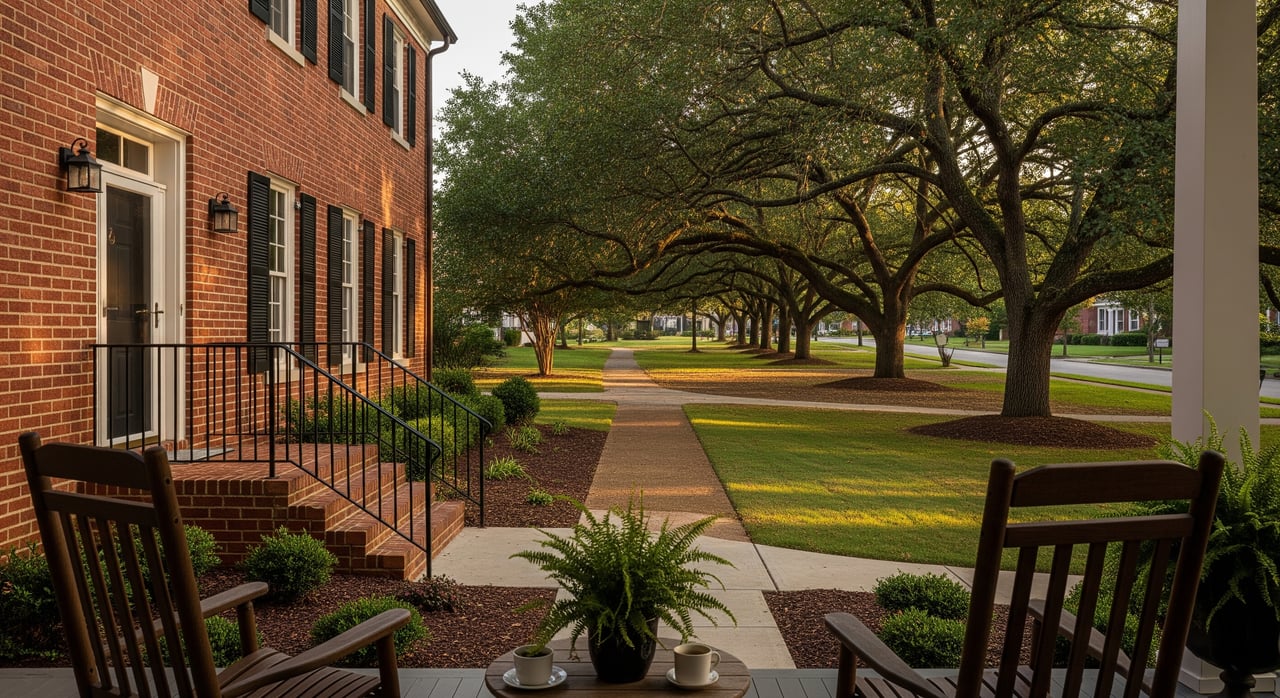
Crieve Hall sits in south/central Nashville in Davidson County. It is a primarily residential area known for mid-century single-family ranch homes built during the 1950s and 1960s. Mature trees, established streets, and suburban-style lots shape the feel of the neighborhood.
Neighborhood names and boundaries can be informal. If you want to confirm whether a specific property falls within the area you have in mind, use the county’s parcel map and planning resources. The Metro Nashville Planning Department offers helpful context on zoning and land use, and the Davidson County Parcel Viewer shows lot-by-lot details you can verify before you tour.
- Explore planning and zoning resources through the Metro Nashville Planning Department.
- Confirm parcel lines and property details in the Davidson County Parcel Viewer.
Homes and lots
Classic mid-century ranches
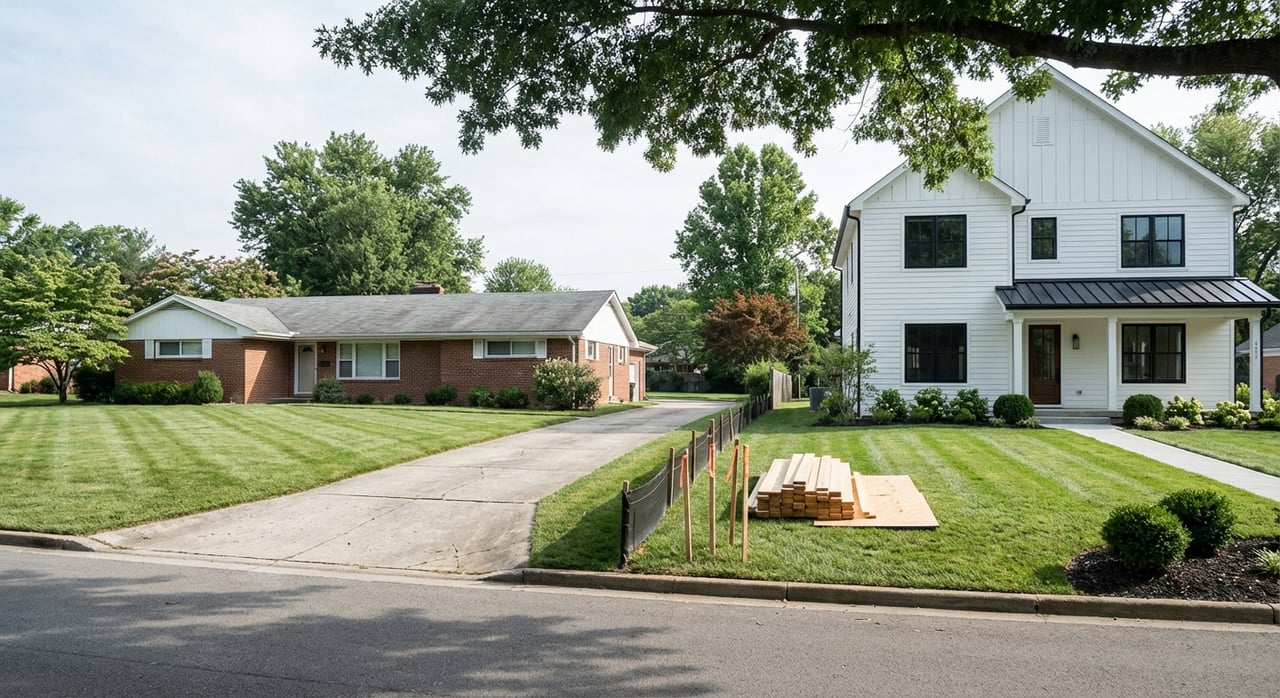
The dominant home style here is the one-story ranch, often brick, with some split-levels mixed in. Many houses still reflect their original mid-century layout, while others have been updated or replaced with larger new construction on the same lots. If you like single-level living or the character of mid-century design, you’ll have plenty to choose from.
Lot sizes and yard space
Lots in Crieve Hall tend to be suburban in character, generally offering enough yard for pets, play, and gardening. Exact sizes vary block by block. If a backyard is a priority, review parcel dimensions in the county map before you schedule showings so you focus on streets that match your space needs.
Renovation patterns and what to expect
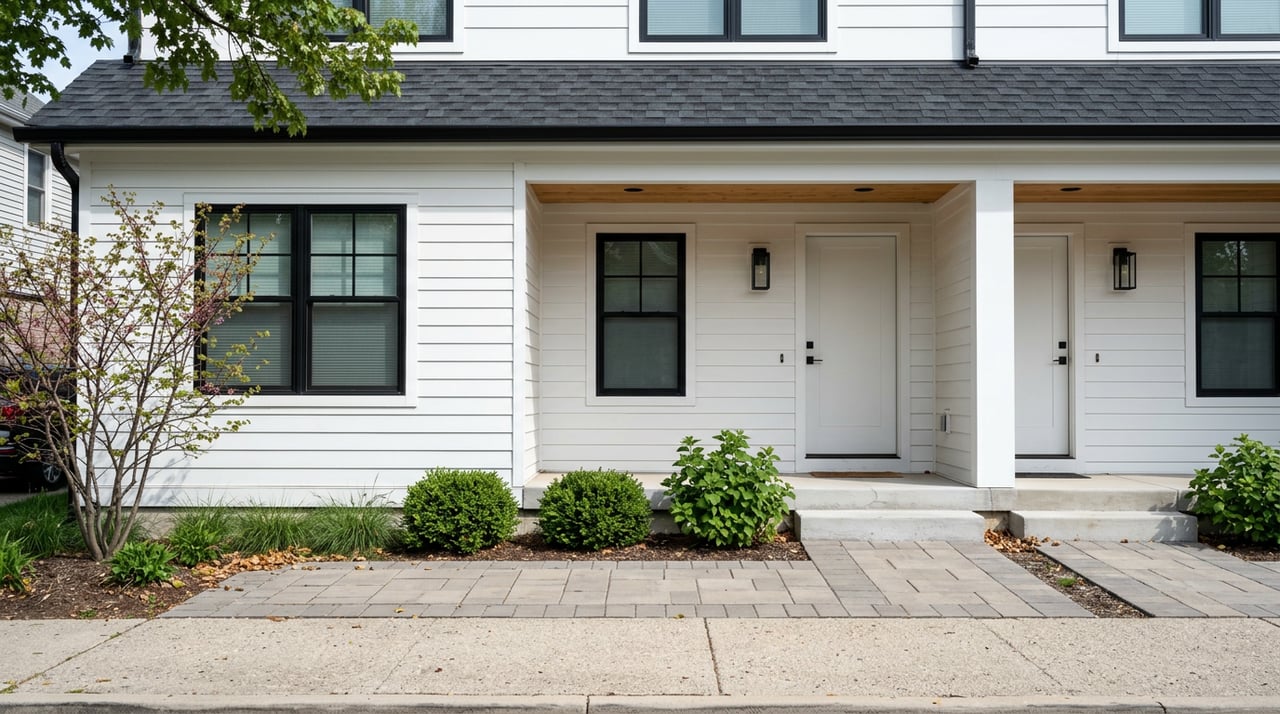
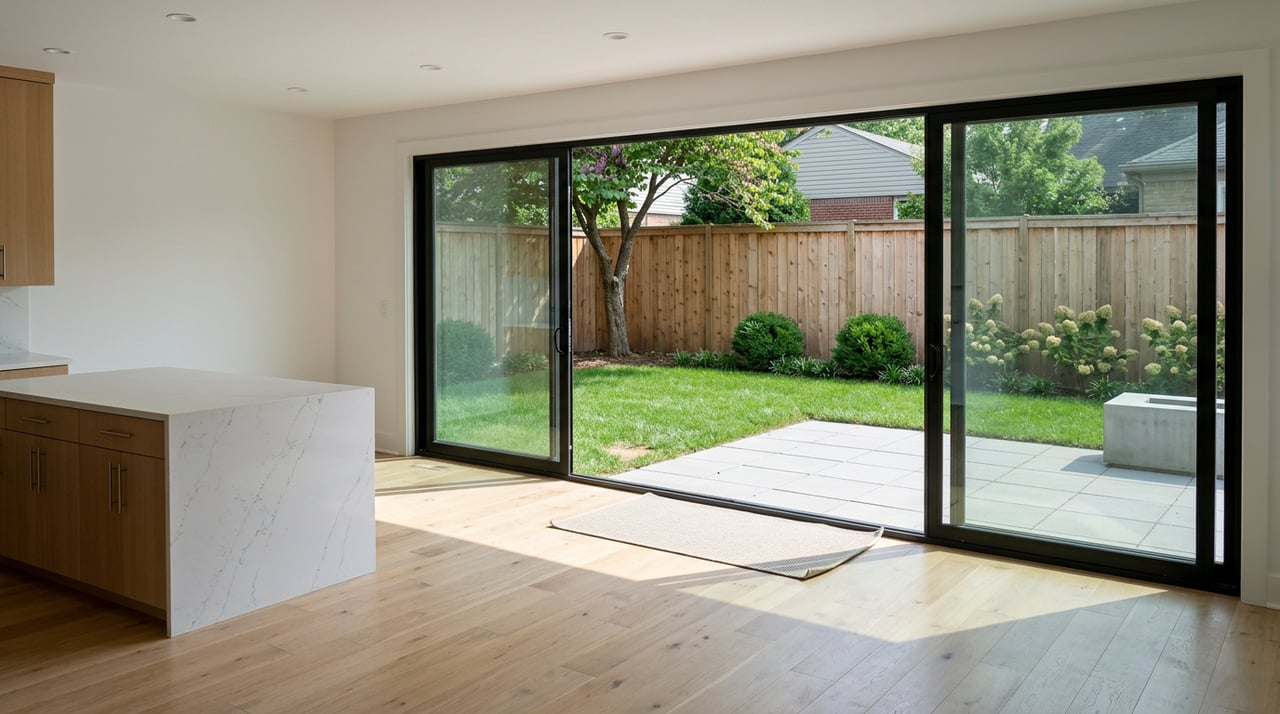
Over the last decade, owners have modernized kitchens and baths, replaced older systems, and improved insulation and energy efficiency. Some buyers have added second stories or expanded footprints, subject to zoning, setbacks, and stormwater rules. Many original ranches were built on slabs or shallow crawlspaces, and some older finishes may require special handling.
Here is a simple checklist to plan your evaluation:
- Mechanical systems: age and condition of HVAC, electrical, and plumbing.
- Envelope and comfort: insulation, windows, and air sealing.
- Interior updates: kitchens, baths, flooring, and lighting.
- Additions: feasibility under current zoning, setbacks, and stormwater.
- Environmental safety: potential for lead-based paint or asbestos in older materials; budget for testing and remediation when needed.
- Site details: grading, drainage, and tree canopy that could affect future projects.
If you want experienced eyes on rehab scope and vendor introductions, you can lean on a local advisor who works with contractors and inspectors regularly.
Parks and green space
Radnor Lake State Park
One of Crieve Hall’s biggest draws is proximity to Radnor Lake. It is a protected natural area with popular walking and hiking trails, wildlife viewing, and a peaceful landscape close to the city. Trails vary in length and difficulty, and the park has specific rules on pets, hours, and access. Weekends and mornings can be busy, so plan for parking.
For the latest details on trails, rules, and programs, check the Radnor Lake State Park official page. You can also follow volunteer updates via the Friends of Radnor Lake for project news and seasonal guidance.
Ellington Agricultural Center
Just a short drive away, Ellington Agricultural Center offers open green space, walking paths, and state agency offices. It also hosts select public events across the year. Before you visit, review public access and any scheduled activities on the Ellington Agricultural Center page.
Getting around
Crieve Hall’s location gives you access to central Nashville and other employment areas in the region. Drive times vary with traffic and time of day, so it helps to test your typical commute during the hours you travel. If you prefer not to drive every day, review bus routes and schedules through WeGo Public Transit.
Sidewalks and bike facilities vary by street. If you plan to walk or bike regularly, review local maps and consider doing a daytime and evening test route to check crossings, lighting, and traffic patterns.
Schools and childcare
Public school attendance zones can change. Before you make an offer, confirm the current school assignments for a specific address using the Metro Nashville Public Schools zoned schools lookup. For performance data and report cards, use the Tennessee Department of Education Report Card. If you are exploring private or parochial options, compile a list and verify admissions timelines and transportation directly with each school.
Use neutral, verified sources when comparing options, and revisit them just before closing to ensure nothing has shifted.
Everyday errands and conveniences
Daily needs like groceries, pharmacies, and services are a short drive from most streets. Store lineups evolve, so map your regular errands and confirm hours before you commit to a home. If you aim for minimal driving, check where your favorite shops cluster and whether your routes align with your commute.
Safety, zoning, and due diligence
Crime and safety resources
Safety perceptions vary block by block. Review recent trends and incident data using official sources from the Metro Nashville Police Department. Combine that with a daytime and evening visit to get a feel for traffic, lighting, and noise levels on the streets you like.
Flood risk and site conditions
Never assume a property is outside the floodplain. Verify parcel status using the FEMA Flood Map Service Center and ask about Metro stormwater data for any low-lying streets. Site features like steep slopes, drainage patterns, and mature trees can affect buildability and long-term maintenance, so gather this information early in your search.
Zoning, overlays, and infill
Crieve Hall has seen a mix of preserved ranch clusters and larger replacement homes as demand has grown. Before planning an addition or a tear-down, verify zoning, overlays, and setback or lot coverage rules with the Metro Nashville Planning Department. If you intend to build, confirm permitting steps and any neighborhood-specific standards that could guide design.
Buyer checklist for Crieve Hall
- Confirm parcel details and lot size in the Davidson County Parcel Viewer.
- Verify school zoning via the MNPS zoned schools lookup and review performance on the TDOE Report Card.
- Check FEMA and local stormwater maps for flood risk.
- Inspect mechanical systems, insulation, and older materials; plan for modernization where needed.
- Review zoning, setbacks, and stormwater requirements before planning additions.
- Test-drive your commute at your typical times and review WeGo Public Transit if you want bus options.
- Visit Radnor Lake and Ellington Agricultural Center at peak and off-peak times to see how you will use them.
Is Crieve Hall right for you?
If you want a quiet, established neighborhood of mid-century homes with real access to nature, Crieve Hall delivers a strong blend of livability and long-term potential. You get tree-lined streets, yards that feel useful, and steady demand for classic ranches and tasteful remodels. The trade-offs are typical of older neighborhoods: you will evaluate systems and updates carefully, and you will see a mix of original homes and newer builds on some blocks.
If you want local guidance from search to renovation planning, reach out to Ravi Sachan. You will get clear advice, hands-on support, and access to a trusted vendor network to make your next move efficient and confident.
FAQs
What types of homes are common in Crieve Hall?
- You will mostly see mid-century single-story ranches, often brick, plus some split-levels and newer infill homes that replaced older structures on the same lots.
Are Crieve Hall yards usually big enough for pets or play?
- Many lots are suburban in size and provide usable yard space, though dimensions vary by street; verify specifics for each property using the county parcel map.
How close is Crieve Hall to Radnor Lake and what can you do there?
- Radnor Lake is a short drive from many streets and offers walking and hiking trails plus wildlife viewing; check current rules and access on the Radnor Lake State Park page.
What should I know before renovating a Crieve Hall ranch?
- Plan for modernizing systems and interiors, verify zoning and setbacks for additions, and budget for possible remediation of older materials such as lead paint or asbestos.
How do I confirm public school zoning for a specific Crieve Hall address?
- Use the MNPS zoned schools lookup and review performance data on the TDOE Report Card before you submit an offer.
How can I evaluate safety and flood risk when buying in Crieve Hall?
- Review official crime statistics from the Metro Nashville Police Department and check parcel-level flood maps through the FEMA Flood Map Service Center.